RSPB Leighton Moss


Updated 6 October 2026
What birds can you see at RSPB Leighton Moss?
Spring (March to May)
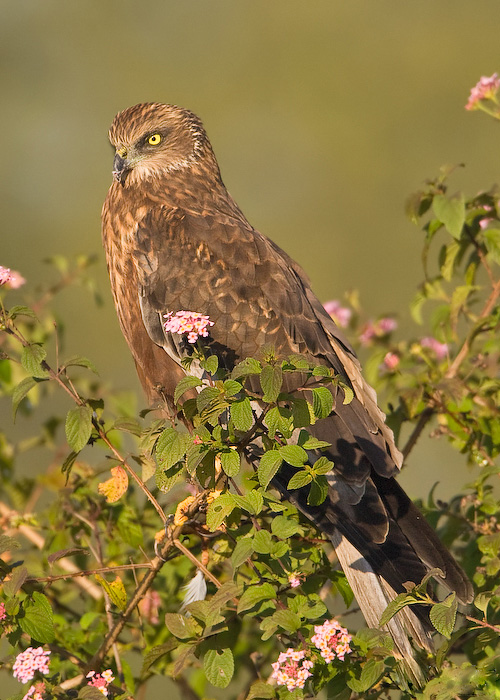
Bitterns boom from the reedbed and marsh harriers display overhead. Avocets return to breed on the saltmarsh pools by the Allen and Eric Morecambe hides. Reed warblers and sedge warblers fill the reeds from mid-April.
Summer (June to August)
Young marsh harriers are on the wing by July. Red deer feed at the reed edges early and late in the day. Black-tailed godwits start to gather on the saltmarsh pools from July, and bats hunt along the Causeway on warm evenings.
Autumn (September to November)
This is bearded tit season. The RSPB's late September 2026 update counted more than 30 on the grit trays, and reported bitterns from the Lower and Causeway hides on most days. On the saltmarsh pools, look for greenshank, spotted redshank, ruff and kingfisher alongside large godwit flocks. Pink-footed geese pass over at dawn and dusk from late September.
Winter (December to February)
The Lower Hide is the place for ducks, including teal, shoveler, gadwall and wigeon. Marsh harriers stay through the winter. Morecambe Bay holds big flocks of waders and wildfowl, best seen from the coastal hides around high tide.
RSPB Leighton Moss recent sightings: where to check
Most people searching for Leighton Moss sightings want today's birds. We do not have a live feed for the reserve. These sources are updated by people on the ground:
- RSPB Leighton Moss page: reserve staff post a dated sightings update here, split into the main reserve and the saltmarsh.
- RSPB Leighton Moss on Facebook: the reserve's own channel for day-to-day news.
- Lancaster and District Birdwatching Society sightings: the local bird club's public sightings board for the area around Morecambe Bay.
- eBird hotspot map: zoom to Silverdale and open the Leighton Moss hotspot for recent checklists.
- BirdGuides: national bird news. Some details are for subscribers only.
Our own tools: the sightings map shows what our users have logged nearby, you can log a sighting in under a minute, and species alerts in the app flag birds on your list.
Best time to visit RSPB Leighton Moss
April to June is best for booming bitterns, displaying harriers and nesting avocets. August to November covers wader passage, bearded tits and the goose arrival. Otters and bitterns show most early and late in the day, and bearded tits use the grit trays on still, dry mornings. For the Allen and Eric Morecambe hides, check a Morecambe tide table and arrive an hour or two before high water, when waders are pushed off the bay on to the pools.
Hides, trails and viewpoints
The RSPB trail guide names seven hides and a viewing tower.
- Lilian's Hide is the closest to the visitor centre. A good first stop for ducks and marsh harriers.
- Skytower is a 9 metre tower with a view across the reedbed to Morecambe Bay.
- Tim Jackson Hide and Grisedale Hide sit on the Family trail (one mile there and back, wheelchair accessible), away from the busiest paths.
- Causeway Hide is on the public Causeway, for otters and bitterns. The bearded tit grit trays are nearby.
- Lower Hide is the furthest out (almost two miles there and back). Best for winter ducks and bitterns.
- Allen Hide and Eric Morecambe Hide overlook the saltmarsh pools. They have their own car park a mile from the visitor centre, with a 2 metre height barrier.
Getting there and facilities
Leighton Moss is at Storrs Lane, Silverdale, near Carnforth (LA5 0SW), signed from the A6 north of M6 junction 35. Silverdale railway station is a few minutes' walk from the visitor centre. The main car park has 90 spaces, with 7 Blue Badge bays by the visitor centre.
On site: visitor centre, cafe, shop, toilets and an accessible toilet with baby changing. Tramper mobility scooters can be hired (book ahead). Dogs on leads are allowed on the Causeway and the signed dog-friendly trail, but not on the main reserve paths. Assistance dogs are welcome throughout.
Entry is free for RSPB members, under-5s and 16 to 24 year olds. Non-members pay £10 per adult, £5 per child aged 5 to 17 (first child free) and £7 per student. Non-members who arrive by public transport or bike pay £5. You do not need to book. Fees were checked on 6 October 2026, but check the official RSPB Leighton Moss page before you travel.
What to bring
Binoculars cover the reedbed hides: see our binoculars guide. Bring a scope for the saltmarsh pools. Our spotting scope guide has picks at each budget.
Nearby places to bird
- North West birding guide: Martin Mere, the Dee Estuary and more.
- WWT Caerlaverock: up the M6 on the Solway, for winter geese and swans.
- Winter wildfowl guide: where to watch geese, swans and ducks.
RSPB Leighton Moss FAQ
Is Leighton Moss free for RSPB members?
Yes. RSPB members get in free, as do under-5s and 16 to 24 year olds. Non-members pay £10 per adult, or £5 if they arrive by public transport or bike. Prices were checked on 6 October 2026.
Where can I find recent sightings for Leighton Moss?
The RSPB posts a dated sightings update on its Leighton Moss page and on the reserve's Facebook page. The Lancaster and District Birdwatching Society runs a public sightings board for the wider area.
When is the best time to see bearded tits at Leighton Moss?
Late September to November. Bearded tits come to the grit trays in autumn, mostly on calm, dry mornings. They are in the reedbed all year but harder to see in other seasons.
Is Leighton Moss the same as RSPB Morecambe Bay?
They are run as one reserve. The RSPB calls it Leighton Moss and Morecambe Bay Nature Reserves. The Allen and Eric Morecambe hides overlook the Morecambe Bay saltmarsh, a mile from the Leighton Moss visitor centre.