RSPB Minsmere


Updated 6 October 2026
What birds can you see at RSPB Minsmere?
Spring (March to May)
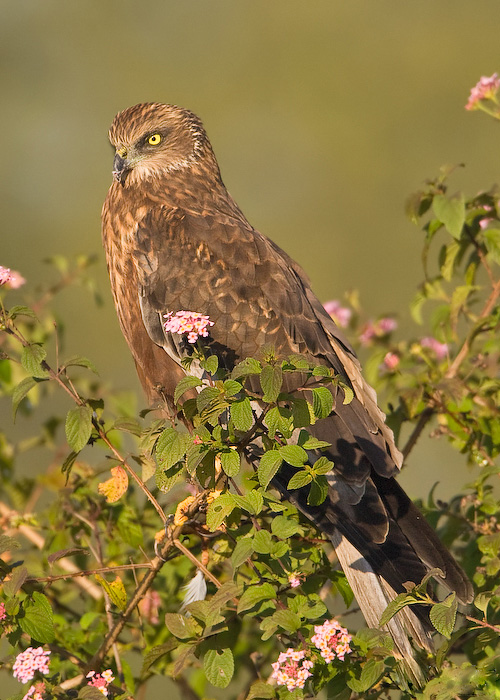
Avocets return to nest on the Scrape among black-headed gulls, with common terns and Sandwich terns arriving in April. Bitterns boom from the reedbed, loudest at dawn and dusk. Marsh harriers display over the reeds, hobbies arrive to hunt dragonflies, and nightingales sing from the scrub.
Summer (June to August)
Nightjars churr on the heath after dusk. Stone-curlews also breed on the reserve. Do not search for them: ask at the visitor centre whether any are on view. From July the first returning waders drop on to the Scrape: spotted redshank, green sandpiper, ruff and black-tailed godwit.
Autumn (September to November)
Wader passage continues with little stint, curlew sandpiper and dunlin. The RSPB names North Bushes and Sluice Bushes as the places to check for small migrants, and yellow-browed warbler turns up most autumns. Bearded tits are easiest now, pinging along the reed edges on still mornings. Onshore winds bring skuas and shearwaters past the beach.
Winter (December to February)
The Scrape and levels hold wigeon, gadwall and teal. Marsh harriers stay all winter, and a patient hour at a reedbed hide can produce a bittern in flight, plus kingfisher, great white egret and little egret.
RSPB Minsmere recent sightings: where to check
Autumn 2026: a Red-eyed Vireo from North America was on the reserve until at least 1 October, the first for Minsmere. It shows what a westerly airflow can drop on the Suffolk coast in early October.
Most people searching for Minsmere sightings want today's birds. We do not have a live feed for the reserve. These sources are updated by people on the ground:
- RSPB Minsmere page: the official page carries a "Recent sightings at Minsmere" section written by reserve staff.
- Suffolk Bird Group latest sightings: county-wide records, listed by month.
- eBird: Minsmere RSPB Reserve: checklists submitted by visiting birders, newest first.
- BirdGuides: national bird news. Some details are for subscribers only.
Our own tools: the sightings map shows what our users have logged nearby, you can log a sighting in under a minute, and species alerts in the app flag birds on your list.
Best time to visit RSPB Minsmere
Go between April and June for breeding birds, or in September and October for migrants. Arrive early: bitterns boom and fly most around dawn. Nightjars need a dusk visit to the heath from late May to July. The Scrape is a managed lagoon, so the tide matters less here than at an estuary. Trails are open dawn to dusk.
Hides, trails and viewpoints
The RSPB trail map shows seven hides and three waymarked trails.
- North Hide, East Hide, South Hide and West Hide ring the Scrape. Go for avocets, gulls and terns in spring and summer, waders on passage and ducks in winter.
- Bittern Hide looks over the reedbed. Good for bitterns, marsh harriers and hobbies.
- Island Mere Hide overlooks Island Mere, the reedbed lake: bitterns, bearded tits, marsh harriers and sometimes otters.
- Canopy Hide is in the woodland.
- Whin Hill viewpoint gives a wide view over Island Mere.
- Trails: Coastal Trail (3.2 km, about 90 minutes), Reedbed Trail (2.5 km, about 60 minutes) and Woodland Trail (2.5 km, about 60 minutes).
October 2026 notice: wildfires damaged parts of Minsmere this year and several paths are closed. The RSPB also says Island Mere Hide is shut for about three weeks from 5 October for boardwalk repairs, with the mere viewable at distance from Whin Hill. National Trust Dunwich Heath next door remains closed.
Getting there and facilities
The reserve is near Westleton and the postcode is IP17 3BY. Saxmundham and Leiston are the nearest towns. Darsham is the nearest railway station, about 5 miles away, with no regular bus to the reserve, so most visitors drive or cycle. The car park has 243 spaces, including 8 Blue Badge bays.
On site: visitor centre, cafe, shop, toilets with baby changing, and three mobility scooters for hire (book ahead). Dogs are welcome on a short lead at the visitor centre and car park only. Assistance dogs can use the trails.
Entry is free for RSPB members, under-5s and 16 to 24 year olds. Non-members pay £10 per adult and £6 per student. The first child is free and other children are £5. You do not need to book. Fees were checked on 6 October 2026, but check the official RSPB Minsmere page before you travel.
What to bring
Binoculars are enough for the reedbed hides. See our binoculars guide if you are buying a pair. A scope helps with distant waders on the Scrape and with sea-watching: our spotting scope guide covers the options.
Nearby places to bird
- RSPB Titchwell Marsh: on the north Norfolk coast.
- Rutland Water: a stop if you are driving over from the Midlands.
- London birding guide: for readers travelling up from the capital.
RSPB Minsmere FAQ
Where can I find today's bird sightings at Minsmere?
Start with the recent sightings section on the RSPB Minsmere page, then the Suffolk Bird Group latest sightings and the eBird hotspot for Minsmere RSPB Reserve.
Do you need to book to visit RSPB Minsmere?
No. The RSPB says there is no need to book in advance. You pay at the visitor centre when you arrive. Groups of 10 or more should contact the reserve first.
How much does it cost to visit RSPB Minsmere?
RSPB members, under-5s and 16 to 24 year olds go free. Non-members pay £10 per adult and £6 per student. The first child is free and other children are £5. Prices were checked on 6 October 2026.
When is the best time to see bitterns at Minsmere?
Bitterns boom from March to early summer, mostly around dawn and dusk. Flight views are most frequent in late spring and summer, when adults are feeding young.