RSPB Titchwell Marsh


Updated 6 October 2026
What birds can you see at RSPB Titchwell Marsh?
Spring (March to May)
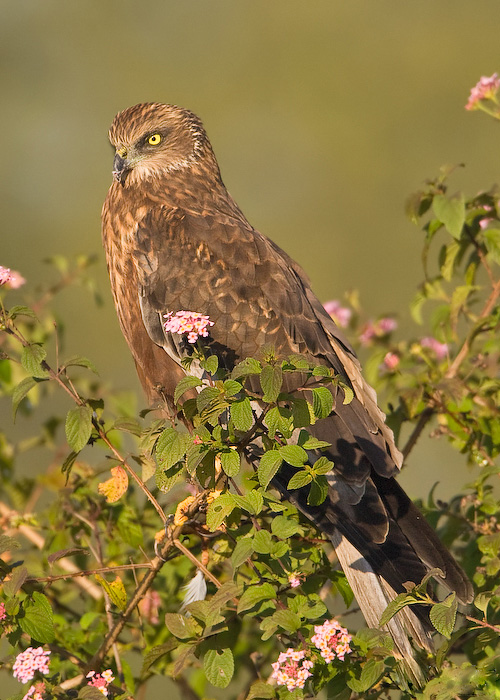
Avocets nest on the freshwater lagoon and marsh harriers display over the reedbed, where bitterns, bearded tits and water rails also breed. Reed warblers and sedge warblers arrive in April. Late spring passage can bring little gulls, black terns, spoonbills and garganey.
Summer (June to August)
Young avocets are on the lagoon, and ringed plovers and oystercatchers nest towards the beach. Sandwich terns fish offshore. Return wader passage starts in July, with spotted redshank and green sandpiper among the first back.
Autumn (September to November)
The lagoons hold black-tailed godwits, curlew sandpipers, little stints and greenshank. Offshore, Arctic skuas, great skuas, gannets and kittiwakes pass in onshore winds. Bearded tits are easiest to see now. The Autumn Trail opens from August to October only.
Winter (December to February)
Wildfowl build up on the lagoons: wigeon, teal and gadwall, with brent geese on the saltmarsh and pink-footed geese overhead. The sea can hold common scoter, eider, long-tailed duck and red-throated diver. Check the beach for snow buntings, and watch for hen harriers and barn owls hunting late in the day.
RSPB Titchwell Marsh recent sightings: where to check
Most people searching for Titchwell sightings want today's birds. We do not have a live feed for the reserve. These sources are updated by people on the ground:
- RSPB Titchwell Marsh page: the official page has a "Recent sightings at Titchwell Marsh" section, split by habitat.
- eBird: Titchwell Marsh RSPB Reserve: visitor checklists, newest first. The quickest free way to see what was logged today.
- BirdGuides: national bird news. Some details are for subscribers only.
Our own tools: the sightings map shows what our users have logged nearby, you can log a sighting in under a minute, and species alerts in the app flag birds on your list.
Best time to visit RSPB Titchwell Marsh
April and May are best for breeding birds and spring passage. August to November covers wader passage and sea-watching. January is the month for sea ducks, geese and raptors. Tide matters here. At low tide, waders spread along the beach. As the tide rises they are pushed off, and many move on to the lagoons, so plan to be at the Parrinder Hides around high water. Go early or late for owls and harriers.
Hides, trails and viewpoints
The RSPB trail map shows four hides, a harrier viewpoint and five trails.
- West Bank Path is the main route: about 1 km from the visitor centre to the beach.
- Island Hide is the first hide on the West Bank Path, on the freshwater lagoon. Close views of avocets, godwits and ducks.
- North and South Parrinder Hides sit between the freshwater and tidal lagoons. They are modern, level and accessible throughout.
- Fen Hide and Fen Trail look into the reedbed for bitterns, bearded tits and marsh harriers.
- Patsy's Reedbed has sheltered seating. The RSPB suggests it for birds of prey, ducks and visiting geese.
- Meadow Trail and Autumn Trail: the Meadow Trail is a short boardwalk loop. The Autumn Trail is open August to October.
- The beach is the sea-watching spot at the end of the West Bank Path.
Getting there and facilities
The reserve is on the A149 coast road at Titchwell (PE31 8BB), between Thornham and Brancaster. Hunstanton is the nearest town. King's Lynn has the nearest railway station, and the Lynx Coastliner 36 bus links King's Lynn, Hunstanton and Wells along the coast road. The car park has 115 spaces, including 8 Blue Badge bays.
On site: visitor centre, cafe, shop, and toilets with baby changing (open 9am to 5pm). Paths are mostly flat, and one mobility scooter can be hired (book ahead). Dogs on leads are allowed on the West Bank Path, which is a public footpath, but not on the Fen, East, Meadow or Autumn trails. Assistance dogs are welcome everywhere.
Entry is free for RSPB members, under-5s, 16 to 24 year olds and carers. Non-members pay £8 per adult, £4 per child (first child free) and £6 per student. You do not need to book. Fees were checked on 6 October 2026, but check the official RSPB Titchwell Marsh page before you travel.
What to bring
A scope earns its place at Titchwell, for waders across the lagoons and sea ducks offshore. See our spotting scope guide. For binoculars, start with our binoculars guide.
Nearby places to bird
- RSPB Minsmere: for a longer East Anglia trip.
- Rutland Water: a stop on the drive in from the Midlands.
- Winter wildfowl guide: more places for geese and sea ducks.
RSPB Titchwell Marsh FAQ
Where can I see Titchwell bird sightings today?
Check the recent sightings section on the RSPB Titchwell Marsh page and the eBird hotspot for Titchwell Marsh RSPB Reserve, which lists the newest visitor checklists first.
Do you need to book RSPB Titchwell Marsh?
No. The RSPB says there is no need to book in advance. You pay at the visitor centre when you arrive. Groups of 10 or more should contact the reserve first.
How much is entry to Titchwell Marsh?
RSPB members, under-5s, 16 to 24 year olds and carers go free. Non-members pay £8 per adult, £4 per child with the first child free, and £6 per student. Prices were checked on 6 October 2026.
What is the best time of day to visit Titchwell?
Plan around the tide. Around high water, waders leave the beach and many gather on the lagoons in front of the hides. Early morning and the last hour of light are best for marsh harriers, hen harriers and barn owls.